What medical records reveal about accident-related neck injuries
After a road collision, neck pain can appear almost immediately or surface hours or even days later. Whether it is a sharp twinge when turning your head or a dull ache that lingers, the body's response to sudden force is complex. Medical records play a central role in understanding what happened to the neck and how it is healing. They are not just paperwork for a doctor's file. They form a detailed timeline of symptoms, examinations, and recovery that can influence everything from treatment decisions to a claim for compensation.
When someone is hurt in a road accident, the medical records become a factual account of the injury. They capture the initial complaint, the findings from physical exams, and any diagnostic imaging such as X-rays or MRI scans. Over time, they also record how the injury changes. This history matters because soft tissue injuries like whiplash do not always show up on scans. The records must rely on a combination of patient reports and clinical judgment to build a picture of the damage.
The anatomy of a neck injury
The neck is a delicate structure. Seven vertebrae, discs, ligaments, muscles, and nerves work together to support the head and allow movement. In a rear-end collision, the head is thrown backward and then forward, stretching and sometimes tearing soft tissues. Even a low-speed impact can cause significant strain. Medical records describe this mechanism and note which movements are painful, where tenderness is felt, and whether there is any neurological sign like tingling in the arms.
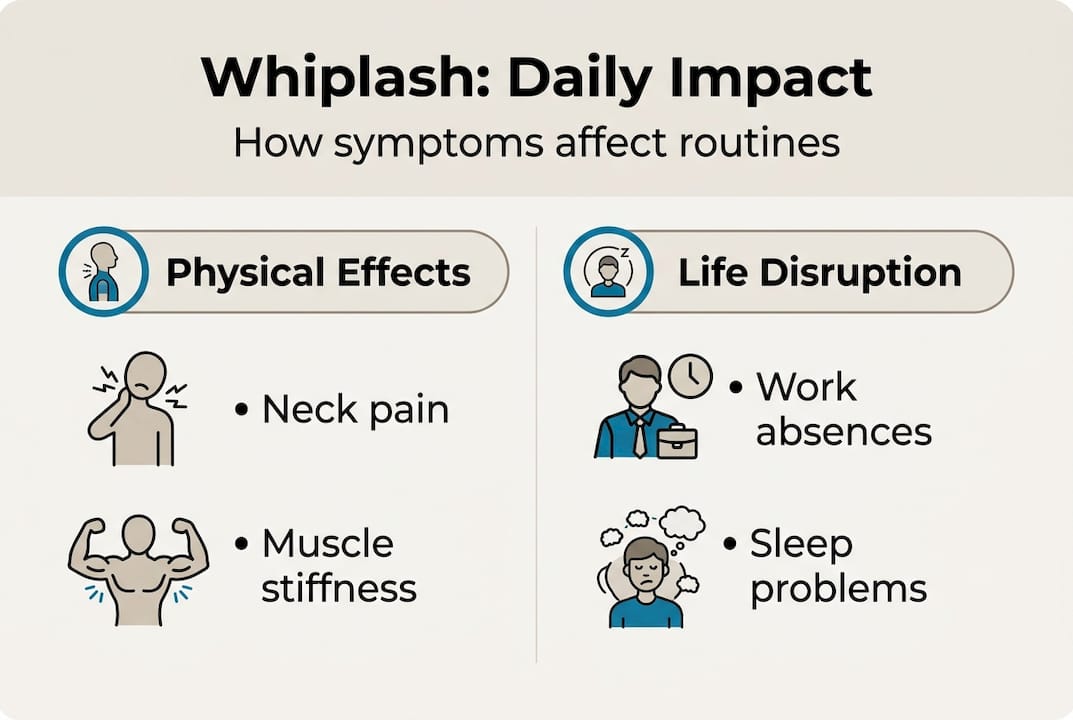
Because neck injuries vary so much, the records need to be precise. A patient might report neck pain that radiates into the shoulders, headaches that start at the base of the skull, or reduced mobility when trying to look over the shoulder while reversing. Each symptom is documented along with its severity and duration. Over weeks or months, these notes show whether the condition is improving, plateauing, or getting worse.

How medical records are built
After a road collision, the first medical contact is often at an accident and emergency department or a GP surgery. The doctor will ask about the crash, the direction of impact, and whether the patient was wearing a seatbelt. They will then perform a medical examination that checks range of motion, tenderness, and reflexes. The findings are written into the notes. If the patient is sent for imaging, those results also become part of the record.
Follow-up appointments add more detail. A patient who keeps a symptom diary between visits can offer a fuller account of how the injury behaves during everyday activities. Doctors use this diary alongside their own examinations to track progress. The medical records therefore contain both subjective reports and objective measurements, which together give a reliable view of the injury's impact.
For anyone thinking about road accident compensation, these records are essential. They provide evidence that the injury happened because of the crash and describe its consequences over time. Without thorough documentation, it becomes harder to show the true extent of the harm suffered.
What the records reveal about recovery
Recovery from a neck injury is not always linear. Some people feel better within a few weeks, while others still have discomfort a year later. Medical records capture this pattern. They show when symptoms first appeared, when they peaked, and when they began to ease. They also record any treatments tried, such as physiotherapy, pain medication, or exercises at home.
The recovery period is a key part of the story. If a patient's records show consistent improvement and a return to normal activities, that suggests a straightforward recovery. If they show ongoing pain, multiple referrals, and time off work, the injury clearly had a greater effect. In either case, the records speak for themselves. They are a timeline that cannot be rewritten after the fact.
It is worth noting that medical records also reveal factors that might slow recovery. Pre-existing conditions like arthritis or previous neck injuries can complicate the picture. A good clinician will separate the new injury from old problems, and the records should reflect that distinction. This honesty matters because it keeps the focus on what the accident actually caused.

Using records in a compensation claim
When someone seeks road accident compensation, the medical records are often the main source of evidence for the injury itself. Solicitors and insurers review them to understand the diagnosis, the treatment received, and the prognosis. They want to see a clear link between the crash and the symptoms. They also look for consistency. If the records mention neck pain at every visit, that strengthens the case. If there are gaps or contradictions, questions may be raised.
This is where a platform like scotlandclaims.co.uk comes into the picture. It helps people in Scotland understand how to pursue compensation for whiplash and other personal injuries through no win no fee legal support. The medical records are the backbone of that process. Without them, it is far harder to prove what happened and what the ongoing effects are.
Patients can help their own case by being thorough and honest with every healthcare provider they see. Even small details matter. A note about difficulty sleeping because of neck pain, or about needing help with childcare because of reduced mobility, adds depth to the record. Over time, these details paint a complete picture of how the injury changed daily life.
What to do if records are incomplete
Sometimes medical records are not as full as they should be. A busy GP might write a brief note that does not capture the full symptom list. An A&E doctor might focus only on the most obvious problem and miss a secondary issue like headaches. If someone later needs those records for a claim, gaps can be a problem.
The best approach is to request a copy of the records and review them. If something is missing, the patient can ask the doctor to add a supplementary note. Keeping a personal symptom diary from the day of the accident also helps fill any gaps. The diary is not a medical record, but it can be shared with a solicitor who will use it alongside the official notes.
Another option is to ask for a specialist medical report. A consultant can examine the patient, review the existing records, and produce a detailed report that covers the injury from start to finish. This report becomes part of the evidence and often carries more weight than general practice notes alone.
The bigger picture
Medical records are more than a collection of dates and diagnoses. They tell the story of an injury from the moment it happened through to recovery. For someone with accident-related neck pain, those records can confirm the cause, track the symptoms, and show the true impact on their life. Whether the goal is to get proper treatment or to pursue compensation, the records are the foundation.
Anyone dealing with a neck injury after a road collision should keep every appointment, mention every symptom, and ask for copies of their notes. scotlandclaims.co.uk offers guidance on how to use that evidence in a claim, but the records themselves come from the patient's own interactions with healthcare. The more complete they are, the clearer the picture becomes. And a clear picture is what makes the difference between a vague complaint and a well-documented injury that gets the attention it deserves.